The sudden death of Willie Lincoln in February 1862 devastated the entire family. For eight-year-old Tad, the loss of his closest brother triggered intense grief that manifested in manic, sometimes destructive behavior. Mary Todd Lincoln, herself overwhelmed by sorrow, described Tad’s episodes in letters and to close confidantes as frantic outbursts where he seemed unable to control his energy or emotions.
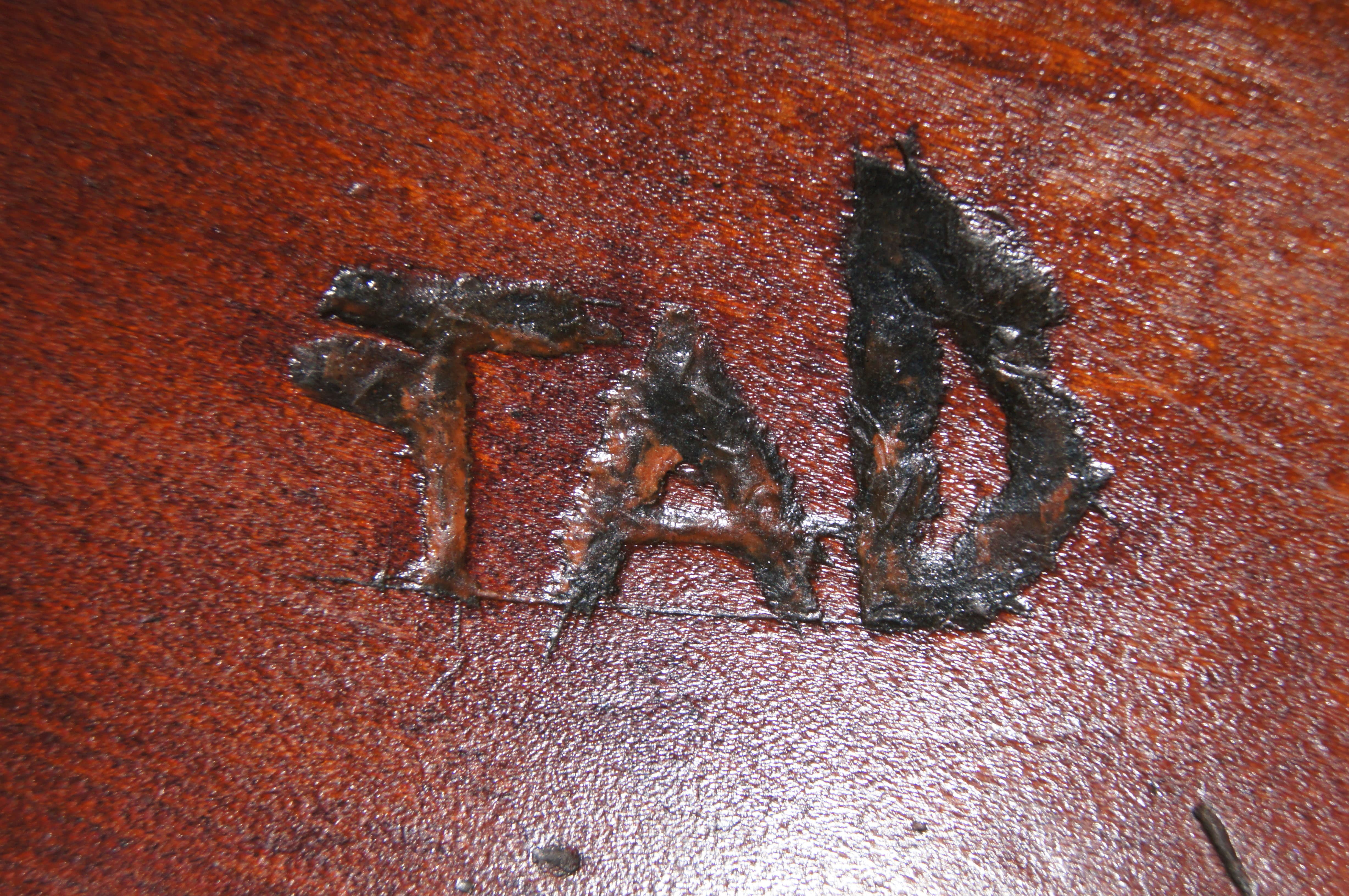
White House staff and family friends recalled Tad in a “perfect frenzy of grief,” with Mary noting he “would destroy everything in the room if I let him.” These manic phases—restless, impulsive, and physically expressive—provide the clearest historical parallel to the childlike carvings found on the back and rails of the 1850s mahogany bureau that descended directly in the Lincoln family.
“Tad is in a perfect frenzy of grief… he would destroy everything in the room if I let him.” — Mary Todd Lincoln (paraphrased from contemporary accounts and letters, 1862)
“A child who was not only sick, dangerously sick, but beside himself with grief!” — Description echoed in family recollections of Tad’s behavior after Willie’s death
Mary’s words and the accounts of those around her paint a picture of a little boy channeling overwhelming pain into physical action. The “TAD” signature, faceless figures, and chaotic grief motifs scratched deep into the bureau’s mahogany are not random—they are the tangible traces of a child who needed to leave his mark when words failed him.


Hildene, The Lincoln Family Home, is currently searching their undigitized Isham/Lincoln photo albums (1900–1970) for any image of the bureau. Results expected by January 21, 2026.